Cities, climate change and nature-based solutions
Nature-Based Solutions (NbS) and Green–Blue Infrastructure (GBI)
Nature-Based Solutions (NbS) are actions that use natural processes and ecosystems to address societal challenges such as climate change, water security, and biodiversity loss, while providing multiple environmental, social, and economic co-benefits. NbS enhance resilience by working with nature rather than against it, promoting sustainable and regenerative approaches to urban and territorial development.
Green and Blue Infrastructure (GBI) is defined by the European Commission as “a strategically planned network of natural and semi-natural areas with other environmental features designed and managed to deliver a wide range of ecosystem services such as water purification, air quality, space for recreation and climate mitigation and adaptation. This network of green (land) and blue (water) spaces can improve environmental conditions and therefore citizens’ health and quality of life. It also supports a green economy, creates job opportunities and enhances biodiversity.”
Although often used interchangeably, GBI can be understood as one ecosystem-based approach for delivering NbS. NbS is indeed regarded as an umbrella concept encompassing a broad range of ecosystem-related approaches, all of which aim to address societal challenges.
Urban NbS and GBI for Climate Resilience and Water Security
People living in Mediterranean cities face higher vulnerability to climate change due to a range of interconnected factors. These include:
- More frequent and intense heatwaves, affecting large and growing urban populations, many of whom lack adequate access to air conditioning.
- Rising flood risks in densely populated coastal areas, driven by sea-level rise and stronger storm surges.
- Increasing droughts and longer dry periods, worsening water shortages that already affect millions of people directly and intensifying competition for water between cities and agriculture.
- More severe forest fires, which increasingly threaten urban areas.
- Increasing air pollution (particularly from particulate matter (PM) and ozone), due to increased temperatures, lower wind speeds, increased energy use (for air-conditioning), fires and fewer precipitation.
Climate change affects people’s health both directly, through extreme weather, and indirectly, through reduced water availability, poorer food quantity and quality, higher air pollution, and other stressors. It also leads to economic losses, including potential declines in tourism. The poorest countries, especially in North Africa and the Middle East, face the greatest risks.
While conventional solutions typically address a single issue in isolation, urban NbS and GBI provide multiple co-benefits (environmental, social, and economic) and often prove more cost-effective and climate-resilient in the long run.
NbS and GBI can help cities adapt to climate change by:
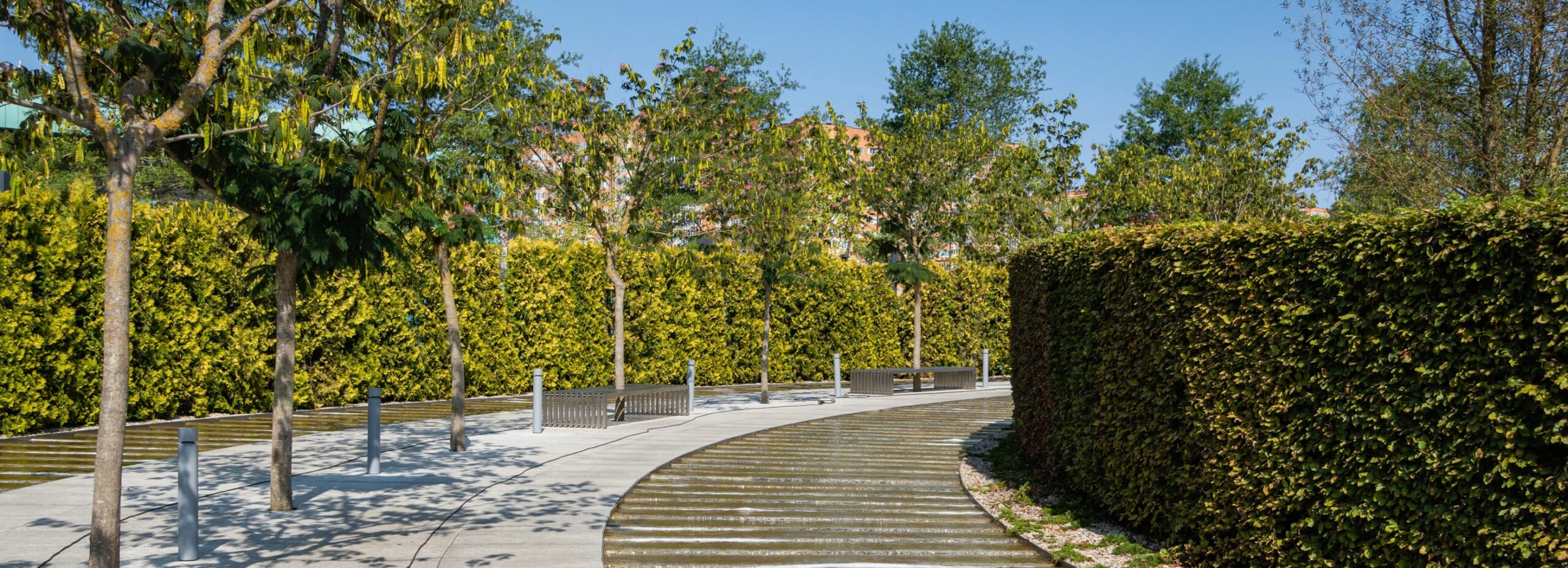
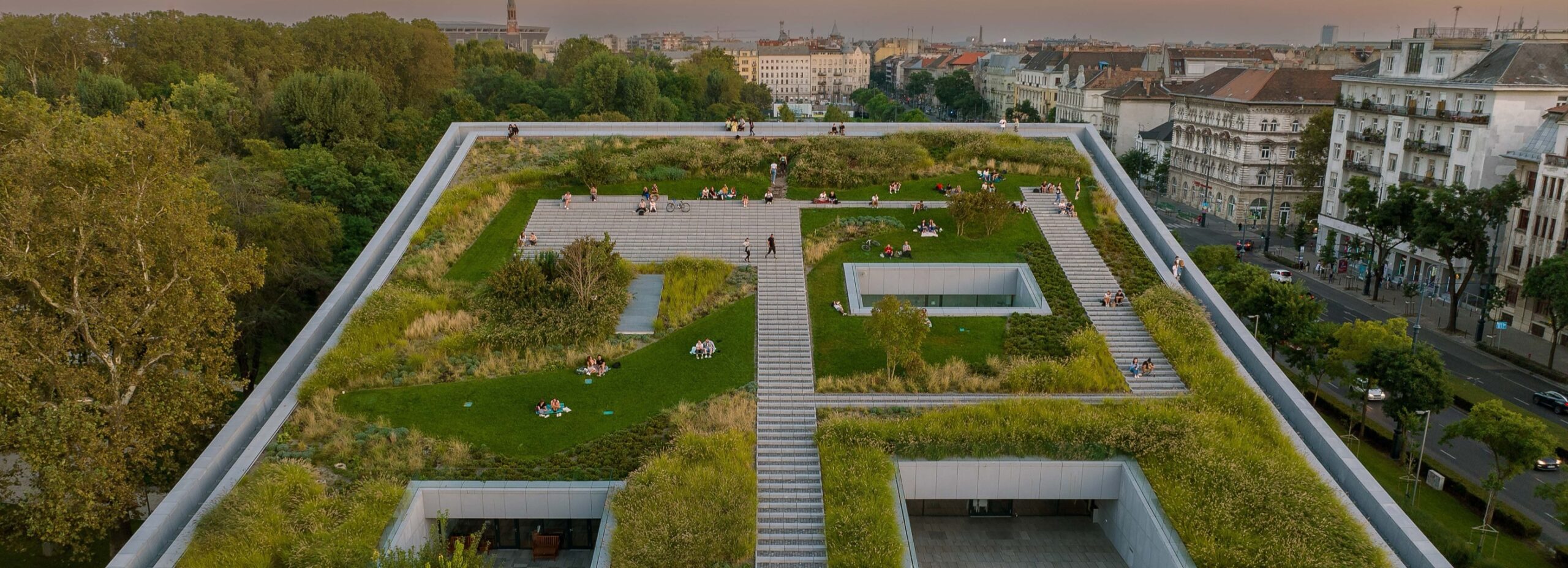
- Protecting green spaces—including urban forests, parks, and green roofs—which provide shade, cool the air through evapotranspiration, and reduce urban heat.
- Restoring ecosystems—such as creating permeable surfaces, expanding green infrastructure, and rehabilitating wetlands—to absorb rainwater, reduce runoff, and lessen the impacts of heavy rainfall.
- Sustainably managing water—including rainwater harvesting—to increase freshwater availability and support cities during droughts.
Co-benefits can go beyond climate adaptation:
- Social benefits: Improved public health, community well-being, and access to green spaces.
- Economic benefits: Cost-effective solutions for urban management and new green job opportunities.
- Environmental benefits: Enhanced biodiversity, improved air and water quality, and restored ecosystems.
Opportunities and Challenges
NbS may bring new opportunities to Mediterranean cities:
- Systems change. To address the overwhelming challenges of the climate change and biodiversity crises, a transformational adaptation is necessary. Transformational adaptation is not merely defensive but contributes directly to transform society in necessary and beneficial ways. NbS can be transformative by working with nature instead of against it, promoting resilience and placing efforts towards a green economy instead of industrialized activities. Recent evidence shows an increased correlation in the participation in NbS interventions with behavioural change towards more sustainable choices.
- Social resilience. The participation of local communities, including vulnerable and marginalised groups, in implementing NbS can contribute to reduce their vulnerability, including and beyond income-generation. NbS can help lead society away from a resource-extracting paradigm, which is partially responsible for inequality, and towards renewable resources and equality.
- Mitigation and adaptation synergies. NbS can be designed to address simultaneously mitigation and adaptation to climate change.
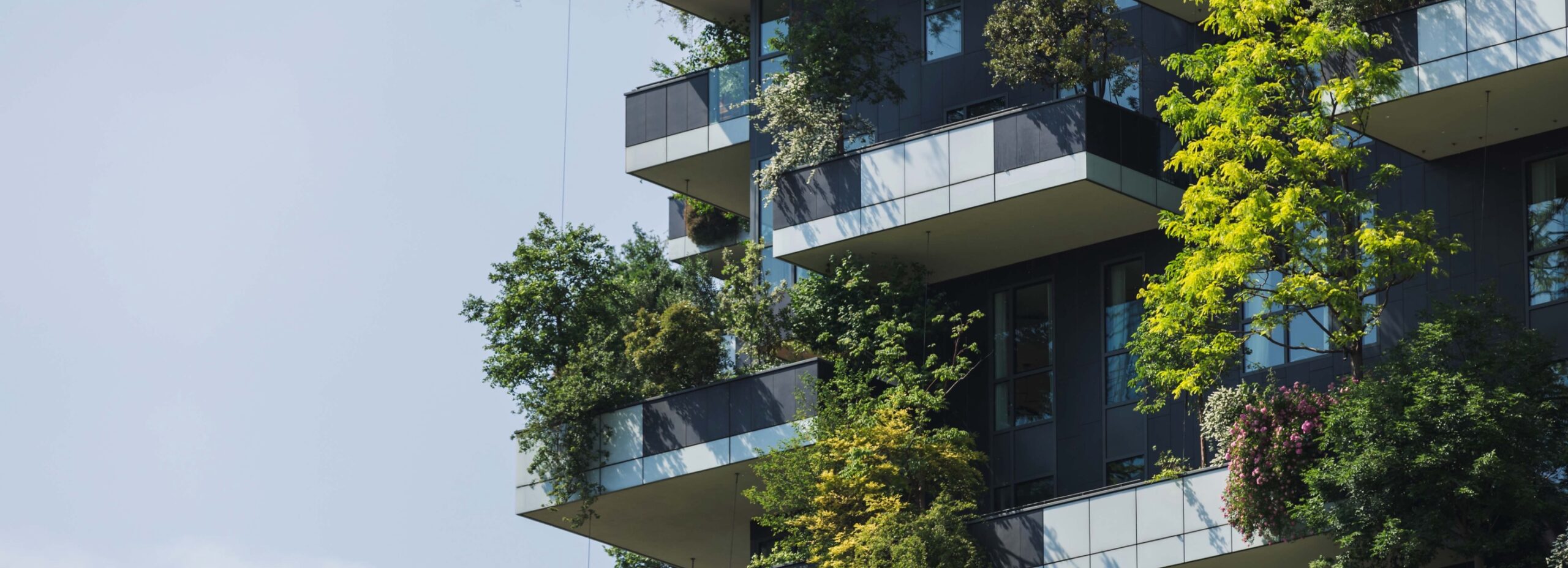
However, NbS and GBI are not quick solutions and to reach their full potential they require a fundamental rethinking of society’s relationship with nature, especially in diverse urban settings where communities relate to nature in different ways. City planners, decision-makers and investors need to accept more uncertainty and unpredictability and expect longer return on investments, while citizens need to deal and accept the nuisance of co-existing with nature.