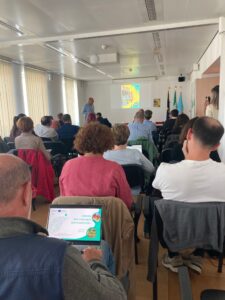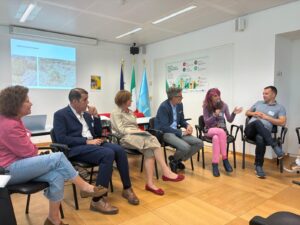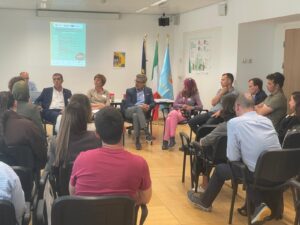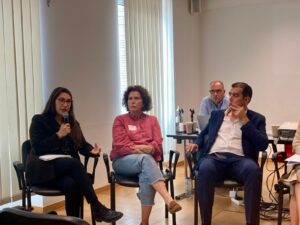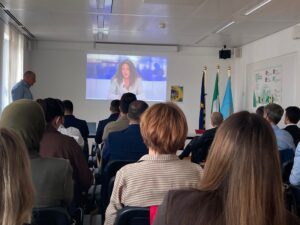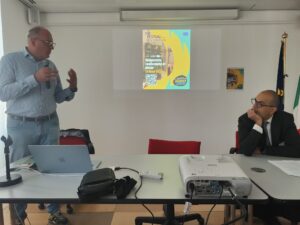

Brussels, 11 June 2026 – The Final Event of the European project URWAN – Urban Regenerative Water and Nature-based Solutions, coordinated by ANCI Lazio, was held at the Lazio Region Office in Brussels, bringing together partners, cities, regional authorities and European institutions from seven Mediterranean countries to discuss the future of Nature-based Solutions (NbS) in urban policies.
The event, entitled “Democratic Water Landscapes: Co-creating Inclusive Green Spaces with Water at the Core”, marked both a moment of synthesis and a relaunch of the project, with a strong focus on the transferability of results and their practical application in European urban contexts.
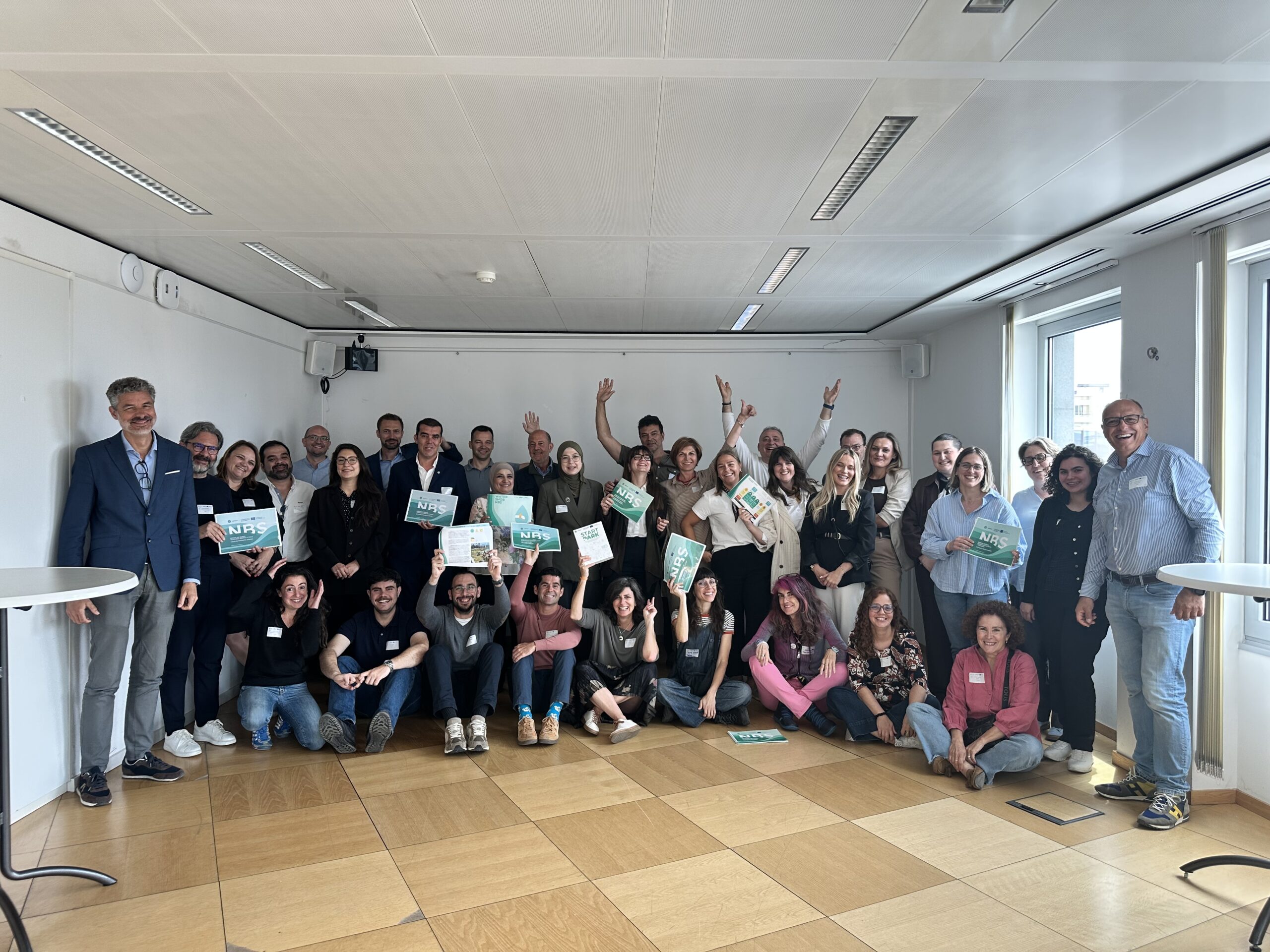
A Mediterranean Network Gathered in Brussels
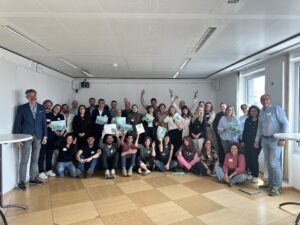
The Final Event brought together all URWAN project partners from seven Mediterranean countries, confirming the strong international and collaborative dimension of the initiative. The consortium, coordinated by ANCI Lazio, has worked throughout the project to develop practical tools and methodologies supporting municipalities in the planning and implementation of Nature-based Solutions.
Among the participants was also the Project General Coordinator, Andrea Vignoli, who oversaw the overall implementation process and the consolidation of project results at transnational level, contributing to the creation of a shared framework for sustainable urban transformation.
European and Regional Institutions in Dialogue
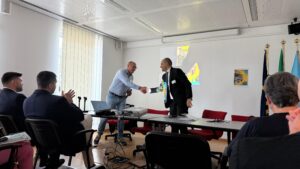
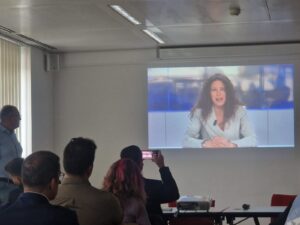
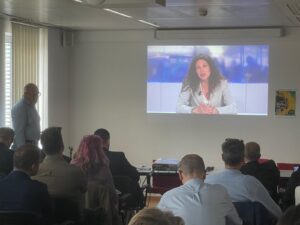
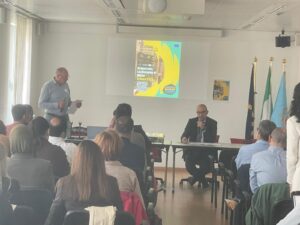
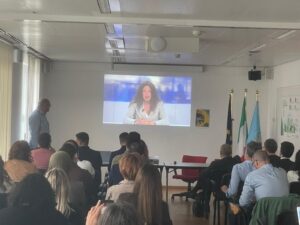
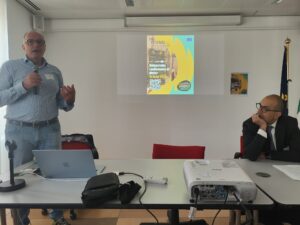
The event opened with institutional welcome remarks from the Lazio Region, host institution, and Riccardo Varone, Vice-President of ANCI Lazio, followed by the official opening address delivered by Antonella Sberna, Vice-President of the European Parliament.
Institutional contributions were also delivered by Judith Cazas, representing the Interreg Euro-MED Joint Secretariat, and Paolo Alfarone, Director of the Lazio Region Office in Brussels. Speakers highlighted the growing importance of Nature-based Solutions in addressing urban environmental challenges and improving water management, while underlining three key concepts that emerged throughout the URWAN journey: democracy, landscape and water.
Practical Tools Ready for Municipal Use
One of the most appreciated aspects of the event was the strongly operational and practice-oriented nature of URWAN outputs, described by participants as practical, clear and immediately applicable.
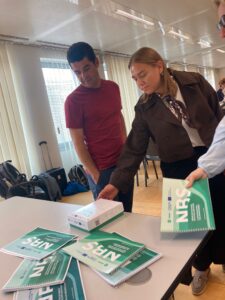
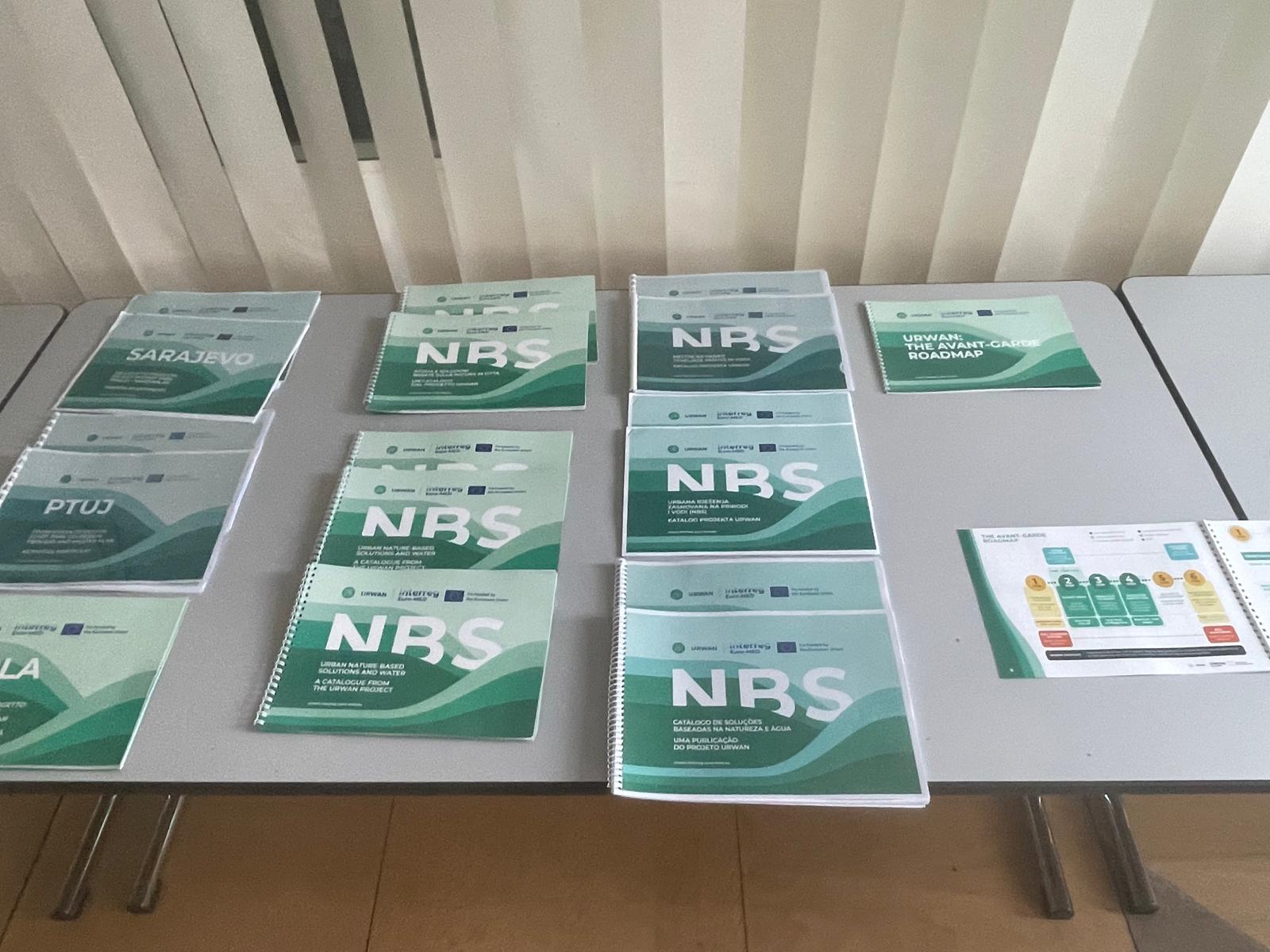
Particular attention was given to the package of tools collected in the Enabler Pack, considered one of the project’s most valuable achievements. The package includes the Nature-based Solutions Catalogue, operational checklists and the Start Park methodological framework for participatory co-design. Together, these resources provide municipalities with practical guidance to move from strategic planning to the concrete implementation of Nature-based Solutions.
The URWAN NbS Catalogue received particularly positive feedback for its accessibility and user-friendly approach. By using clear and non-technical language, it makes Nature-based Solutions understandable and actionable for local authorities, public administrators and decision-makers without requiring specialised expertise.
From Knowledge to Action: Experiencing the URWAN Methodology
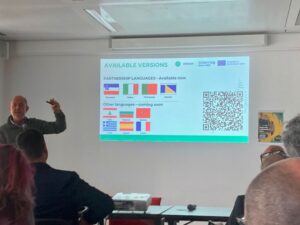
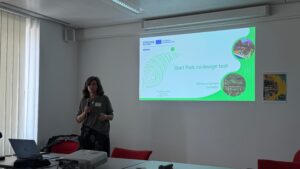
The programme featured the presentation of the project’s main outputs, including the NbS Catalogue and investment framework presented by IRIDRA, the Integrated Decision Support System developed by Kassandra, the Start Park co-design methodology presented by SVI.MED., and the Enabler Pack coordinated by MedCities.
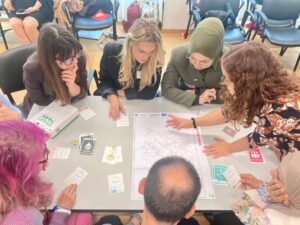
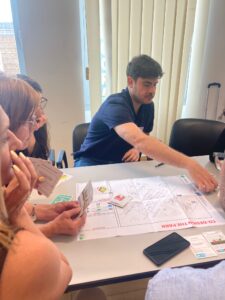
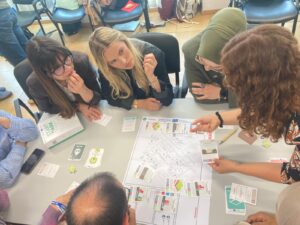
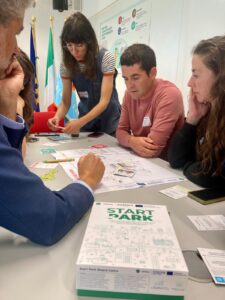
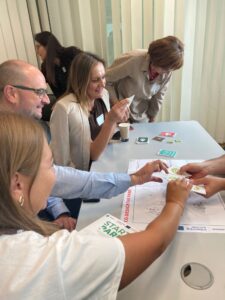
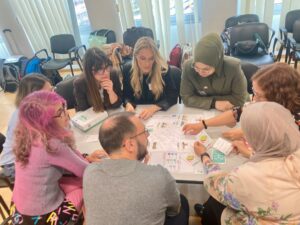
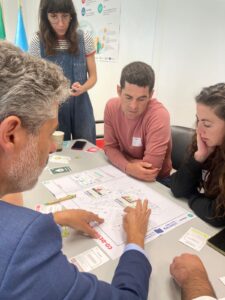
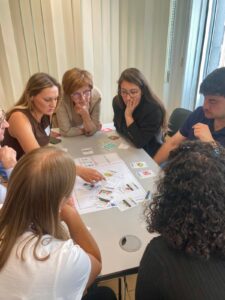
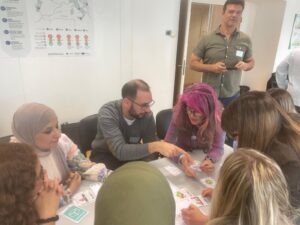
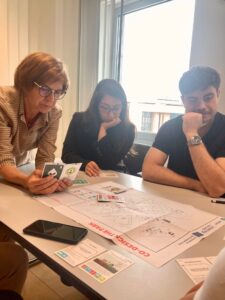
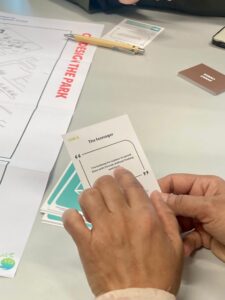
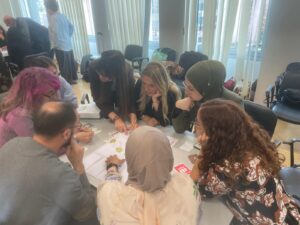
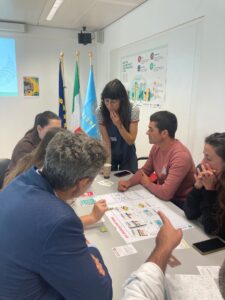
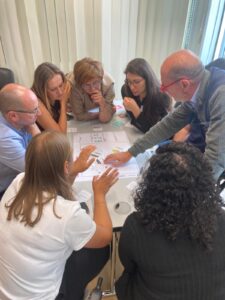
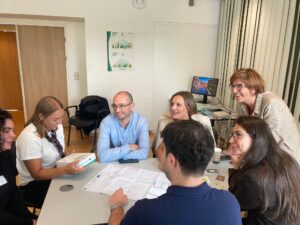
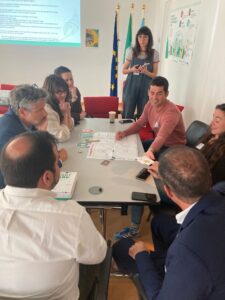
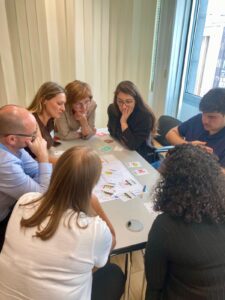
Beyond the presentation of project results, participants actively engaged in a collaborative co-design workshop using the Start Park methodology. Working in groups, they explored practical approaches to planning urban green areas through water-sensitive and nature-based solutions, experiencing first-hand the participatory tools developed within URWAN.
The workshop demonstrated how the project’s methodologies can support local authorities in translating strategic planning into concrete urban interventions, reinforcing the project’s core objective of moving from knowledge generation to practical implementation.
Good Practices and Replicability Across Europe
Strong interest was expressed in URWAN’s experiences in urban green infrastructure and regenerative water management, particularly the cases developed in Cuba and Rome. Participants highlighted their potential for replication in other European cities thanks to their modular design and adaptability to different territorial contexts.
The representative of the City of Malaga, Alberto Ruiz Carmena, expressed interest in visiting Rome to further explore the solutions implemented within the project and assess their applicability to local needs, including educational and community spaces. This exchange reflected the broader interest generated by URWAN and opened opportunities for future cooperation and participation in forthcoming European initiatives on green infrastructure and urban resilience.
A Shared European Journey Towards Continuation and Transfer
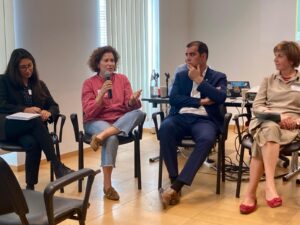
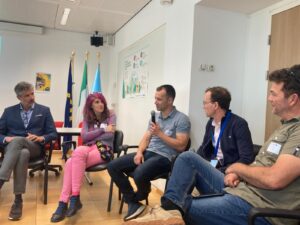
The final roundtable brought together representatives from cities and European networks including Sarajevo, Ptuj, Malaga, Cuba, Torino and FEDARENE, alongside stakeholders involved in the Interreg Euro-MED Green Living Areas Community.
Discussions focused not only on the results achieved during the project but also on opportunities for continuation, transferability and long-term impact. Participants exchanged experiences on how URWAN tools and methodologies can be integrated into future urban policies, investment plans and cooperation initiatives at local, regional and European level.
The debate confirmed a shared commitment to maintaining the network established through the project and to further promoting Nature-based Solutions across Europe and the Mediterranean area. Particular emphasis was placed on strengthening cooperation among municipalities and fostering the uptake of practical solutions capable of addressing climate adaptation, biodiversity enhancement and social inclusion.
Connecting with the New European Bauhaus Vision
The event also took place in connection with the New European Bauhaus Festival, offering participants the opportunity to engage with wider European discussions on sustainability, inclusion and the quality of urban spaces.
This connection reinforced the relevance of URWAN’s approach, which combines environmental resilience, social participation and urban design in the creation of democratic water landscapes. The project’s vision aligns closely with the New European Bauhaus principles, demonstrating how Nature-based Solutions can contribute to building urban environments that are not only sustainable, but also inclusive, beautiful and accessible.
Conclusions
The Final Event demonstrated how URWAN has evolved beyond a conventional cooperation project, creating a comprehensive ecosystem of tools, knowledge and practical methodologies capable of supporting municipalities in implementing Nature-based Solutions.
By fostering collaboration among local authorities, technical experts, research organisations and European networks, URWAN has laid the foundations for the long-term transfer and uptake of its results. The project leaves behind a concrete legacy of operational tools, tested methodologies and strengthened partnerships that can continue to support cities in addressing environmental and social challenges.
As highlighted during the closing session, URWAN represents a decisive shift “from catalogue to action”, empowering cities to transform innovative concepts into tangible interventions for greener, more resilient and inclusive urban environments.